




![Immunotoxicity assessment: Addressing Challenges and Advancing Methodologies [Workshop → Task Force]](https://www.ecetoc.org/wp-content/uploads/2026/07/Picture2-1024x923.jpg)


Navigating the challenges of WEEE recycling – Webinar
As Europe accelerates its transition to a circular economy, understanding what happens to chemicals during recycling is more important than ever. ECETOC is hosting a dedicated webinar on Waste Electrical and Electronic Equipment (WEEE), focusing on how exposures and emissions can be better characterized across recycling processes.
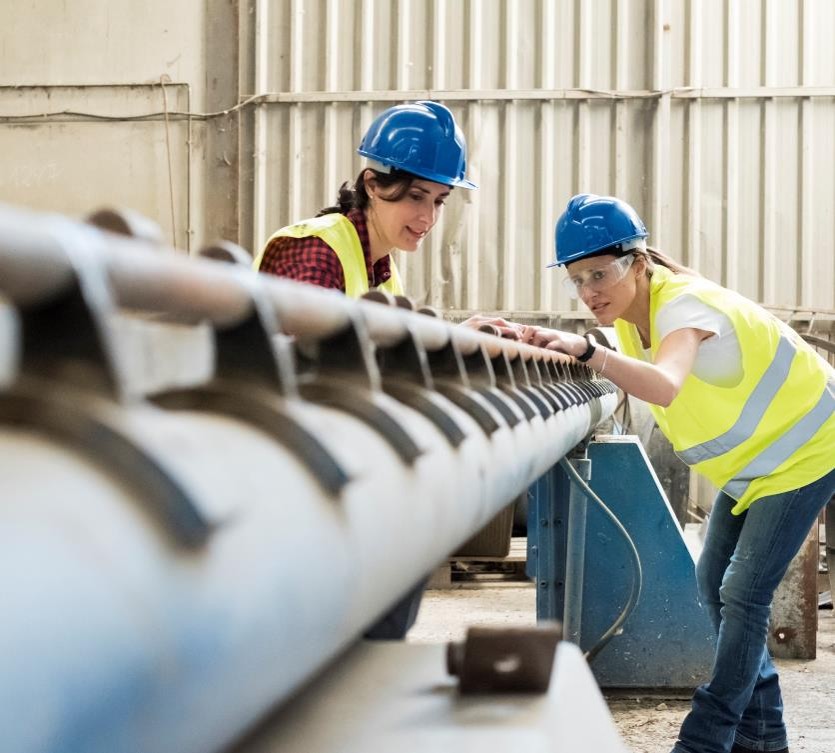
The session will take a practical risk assessment perspective, with an emphasis on identifying worker exposure and environmental release pathways during WEEE recycling. By improving the understanding of key exposure hotspots, emission sources, and data gaps, this webinar aims to support more robust risk assessment and informed regulatory decision-making.
This webinar will featurs presentations from:
- Dr. Socorro Vázquez-Campos (LEITAT Technological Centre) – Characterising Exposure and Environmental Emissions in Battery Recycling: Current Evidence and Emerging Challenges
- Dr. Alberto Mannu (University of Brescia) – Hazard Analysis in Black Mass Industrial Processing
This webinar is the par of the CLOSING THE GAP OF EXPOSURE ASSESSMENT IN A CIRCULAR ECONOMY series. Click here for more information.
Call for collaboration – ECETOC Circular Economy Series (2027 Workshop)
Following our webinar series on “Closing the Gaps of Exposure Assessment in a Circular Economy”, we are now looking ahead to the next phase of this initiative — an expert workshop planned for 2027.
As Europe accelerates its transition towards circularity, a key challenge remains:
👉 How do we ensure robust assessment of environmental releases and worker exposure across recycling and waste recovery processes?
To support this discussion, we are inviting expressions of interest from academia, industry and recycling organisations, and regulatory bodies and policy experts. We are particularly keen to hear from those working at the interface of:
🔹 Circular economy and recycling systems (e.g. plastics, WEEE)
🔹 Environmental emissions during waste processing
🔹 Occupational exposure in recycling operations
🔹 Exposure assessment methodologies, tools, and data gaps
The aim of the workshop is to bring together diverse perspectives to:
- Share current knowledge and ongoing work
- Identify key gaps in exposure assessment during recycling
- Inform future scientific and regulatory developments
💬 Interested in presenting or contributing? Get in touch with us!