


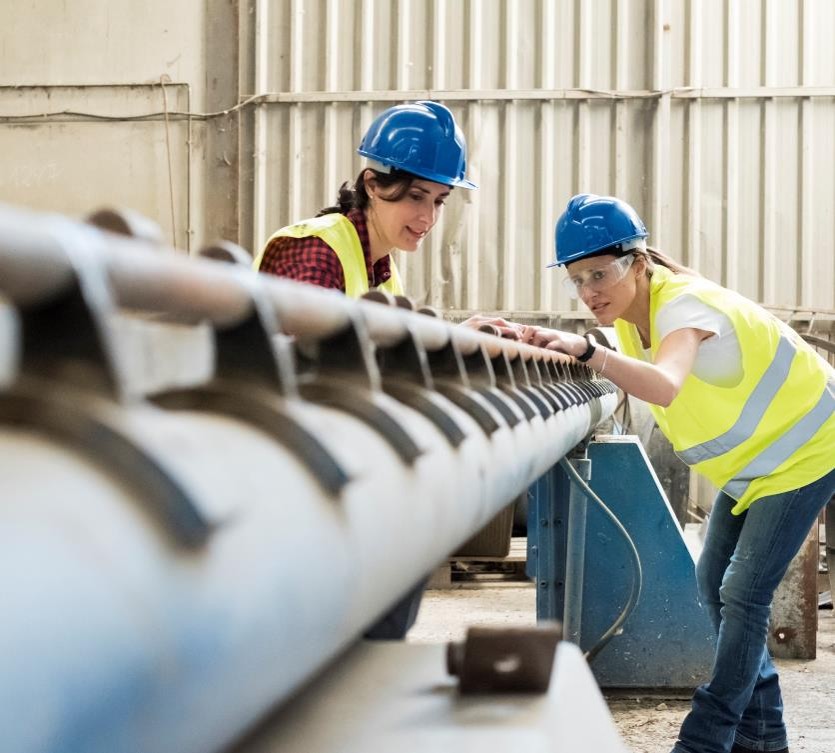
![Immunotoxicity assessment: Addressing Challenges and Advancing Methodologies [Workshop → Task Force]](https://www.ecetoc.org/wp-content/uploads/2026/07/Picture2-1024x923.jpg)


Structure & Governance
General Assembly

Annual General Meetings
Open to Member Company Delegates only. Their purpose is to approve the budget, review accomplishments and provide feedback to the Board on the general operating procedures and principles of ECETOC.
Annual Technical Meetings
Open to all member companies and invited guests. The purpose is to highlight contemporary technical topics of interest to the Membership and seek feedback to help guide ECETOC strategy.
Board of Administration
The Board of Administration is empowered by the Annual General Meeting with the management and administration of ECETOC and delegates these tasks on a daily basis to its Secretary General.
The Board is composed of at least six member company representatives.
Two Board members are entitled to represent the Associate members. Board members have a two-year mandate and are responsible for the overall policy and finance of the association as well as appointing the members of the Scientific Committee.
Member companies may propose candidates for the Board; these candidates must have managerial duties within their company and possess scientific and technical experience.
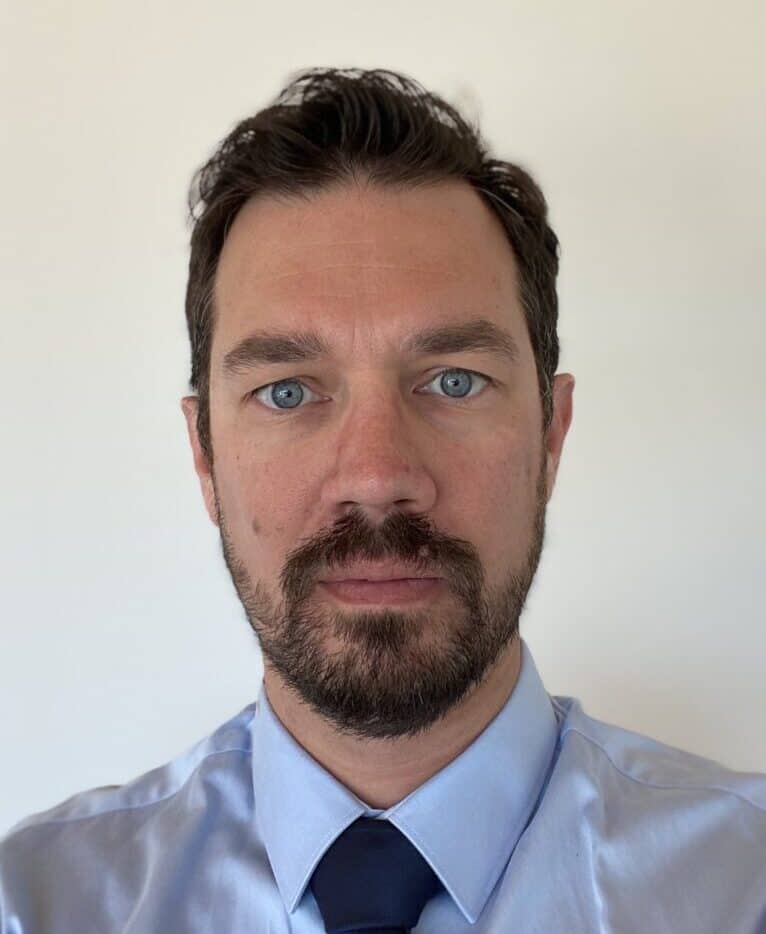
Nicholas Ball

Volker Soballa
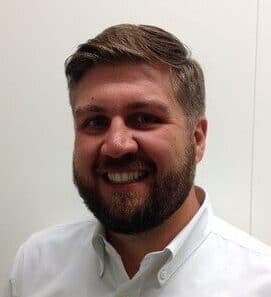
Erik Rushton
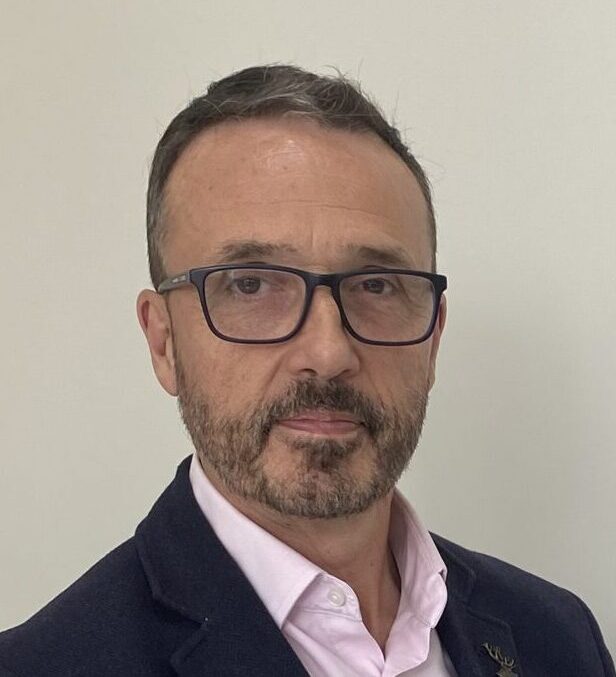
Peter Campbell

Dorothee Funk-Weyer
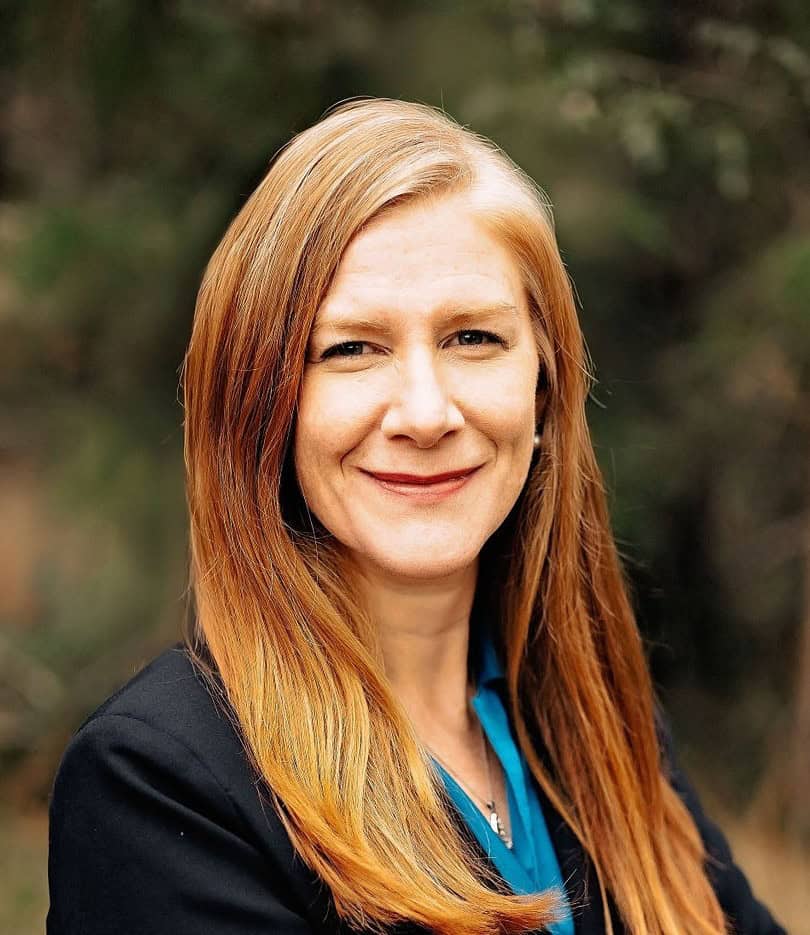
Sarah A. Hughes
Patrick Masscheleyn
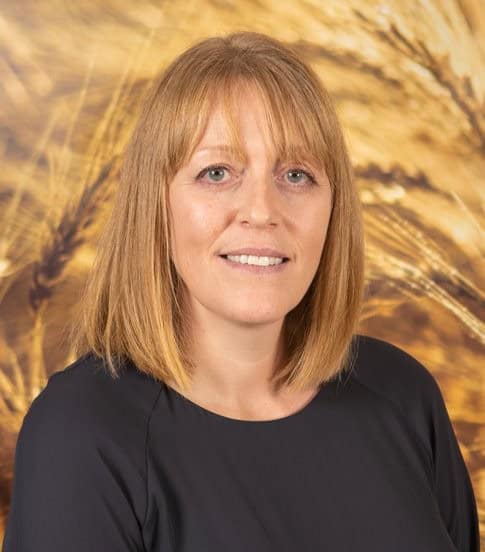
Claire Terry
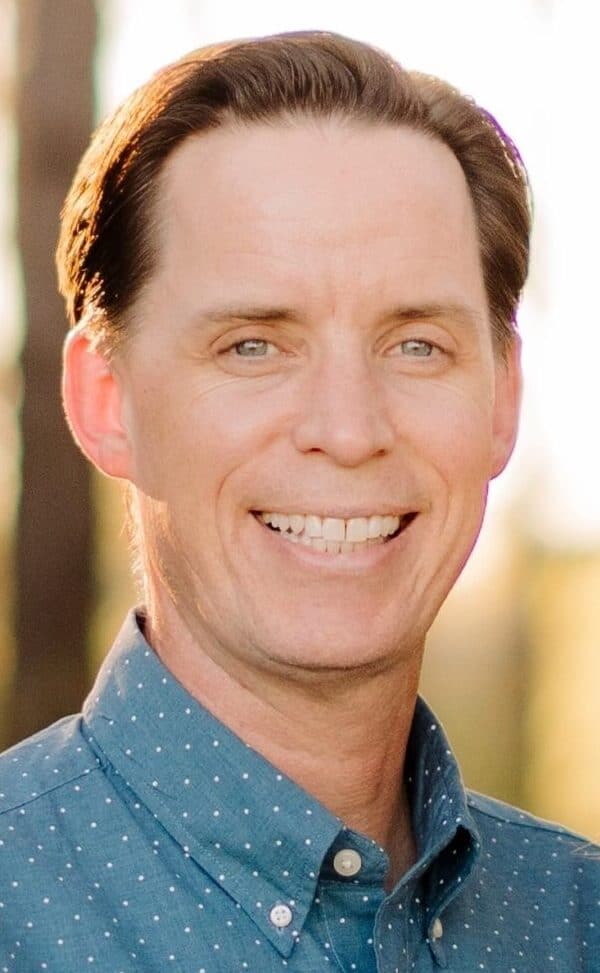
Christopher S. Warren
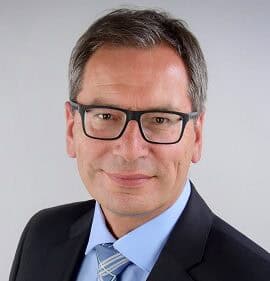
Arndt Wellmann
Scientific Committee
The Scientific Committee is responsible for the definition, management and peer review of the ECETOC work programme. The Board appoints the Chair and members of the Scientific Committee based on their scientific expertise.
- Lead the development and oversee the implementation of the ECETOC Scientific Programme
- Members of the Scientific Committee represent major scientific disciplines for the toxicological evaluation of chemicals.
- Provides a forum for sharing knowledge and experience.
- Scientific Committee members act as Stewards to ensure continued quality and scientific integrity of Manuscripts and Reports of Task Forces.
- Network with key stakeholders to share and promote ECETOC output that contributes to informed, reliable and science-based chemicals management decisions.
- Highlight the need to update Technical Reports in the light of new knowledge.
Johannes Tolls
Chair
Henkel
| Paolo Boffetta | Università di Bologna |
| Phil Botham | Syngenta |
| Alistair Boxall | University of York |
| Dorothee Funk-Weyer | BASF |
| Timothy Gant | Imperial College London |
| Helmut Greim | Technical University Munich |
| Andreas Häner | F. Hoffmann-La Roche |
| Daniela Holland | ExxonMobil |
| Heli Hollnagel | Dow |
| Petra Kern | Procter & Gamble |
| Philippe Lemaire | Total Energies |
| Lorraine Maltby | University of Sheffield |
| Gina Montoya Parra | Nestlé |
| Ben van Ravenzwaay | Wageningen University & Research |
| David Rouquié – Vice chair | Bayer |
| Gordon Sanders | Givaudan |
| Mathijs Smit | Shell |
| Claire Terry | Corteva |
| Kees van Leeuwen | Utrecht University |