



![Immunotoxicity assessment: Addressing Challenges and Advancing Methodologies [Workshop → Task Force]](https://www.ecetoc.org/wp-content/uploads/2026/07/Picture2-1024x923.jpg)


Technical Report no.127 – Freshwater ecotoxicity as an impact category in life cycle assessment
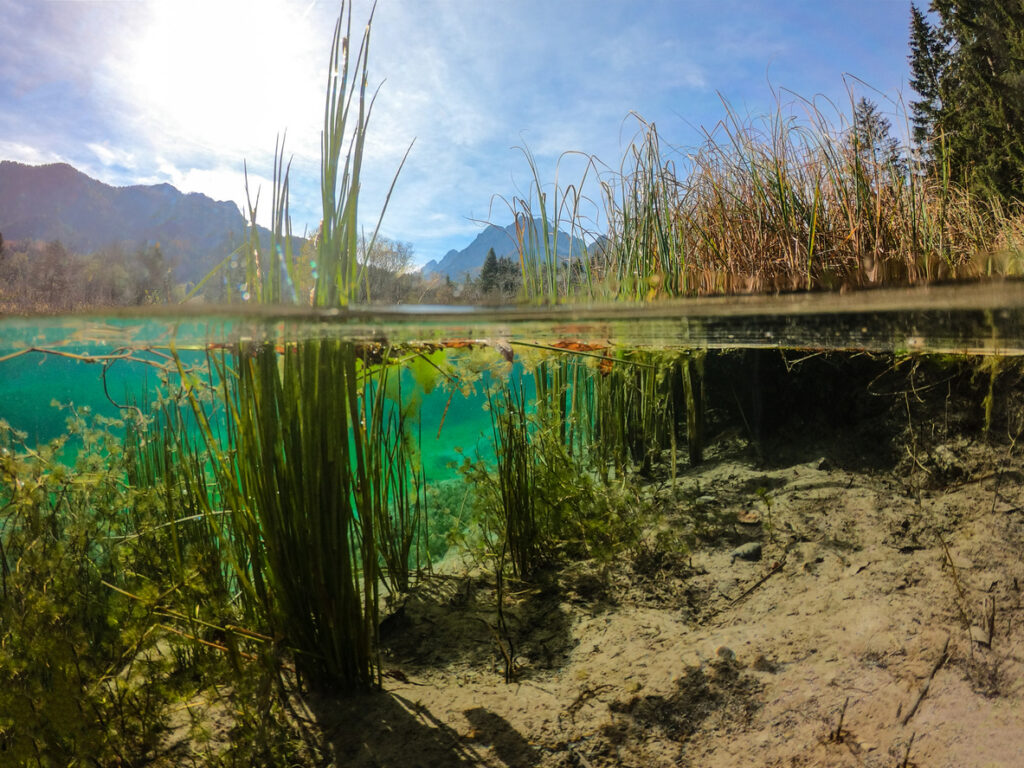
Freshwater is a vital component in the global ecosystem. Freshwater is a unique environmental habitat and also essential for human life. Freshwater pollution not only poses a risk to the environment, but it can also impact human health as well. Therefore, it is important to maintain anthropogenic pollution below a threshold that would characterise a risk.
Life cycle assessment (LCA) is a methodology that strives for the assessment of environmental burdens along an entire (product) value chain. This means, for example, a consumer product assessment starts at the extraction of raw materials and it ends with the disposal of the product. All environmentally relevant intermediate stages such as transport, manufacturing steps and product use are accounted for, considering even secondary resources such as energy consumptions and their associated values chains in full.
One general idea behind LCA is to make ´hotspots´ visible. These are impacts along the life cycle which stand out from the rest. Beyond ‘hotspots’, life cycle assessment in principle also enables the comparison of products regarding their environmental performance. This use of LCA is integral to the ‘Product Environmental Footprint’ (PEF) project in the European Union, but it poses greater demands on methodological reliability and data quality. In a series of pilot projects, the methods prescribed in this PEF project were tested for various product types. ‘Freshwater Ecotoxicity’ is an environmental impact category which is part of such assessment. Several fundamental and practical questions were raised regarding the PEF methodology used to determine and compare the life cycle impact assessment of a product for the ‘Freshwater Ecotoxicity’ impact.
Thus, ECETOC established a task force to investigate the method employed in the LCA context of PEF. The aim of the task force was to: i) conduct a scientific investigation of the ‘USEtox’ method for assessment of aquatic ecotoxicity in LCA, based on a simple case study with a virtual down-the-drain product, ii) compare LCA and environmental risk assessment methodology, which both characterise human intervention on the environment and provide a basis for decision-making; and (iii) to provide guidance on the interpretation and scientific relevance of USEtox results in the context of chemical impact assessment and selection of chemical-based (manufactured) products. The report includes an extended discussion of the options that could move forward the discussion of the relevance and practical aspects of assessment of ecotoxicological effects in the framework of LCA.
TR127: Freshwater ecotoxicity as an impact category in life cycle assessment
Published November 2016
ISSN-2079-1526-127 (online)
D-2016-3001-246