







![Immunotoxicity assessment: Addressing Challenges and Advancing Methodologies [Workshop → Task Force]](https://www.ecetoc.org/wp-content/uploads/2026/07/Picture2-1024x923.jpg)


SCIENCE NEWS FLASH: New ECETOC report addresses bioavailable residues in soils and sediments
New ECETOC report addresses bioavailable residues in soils and sediments
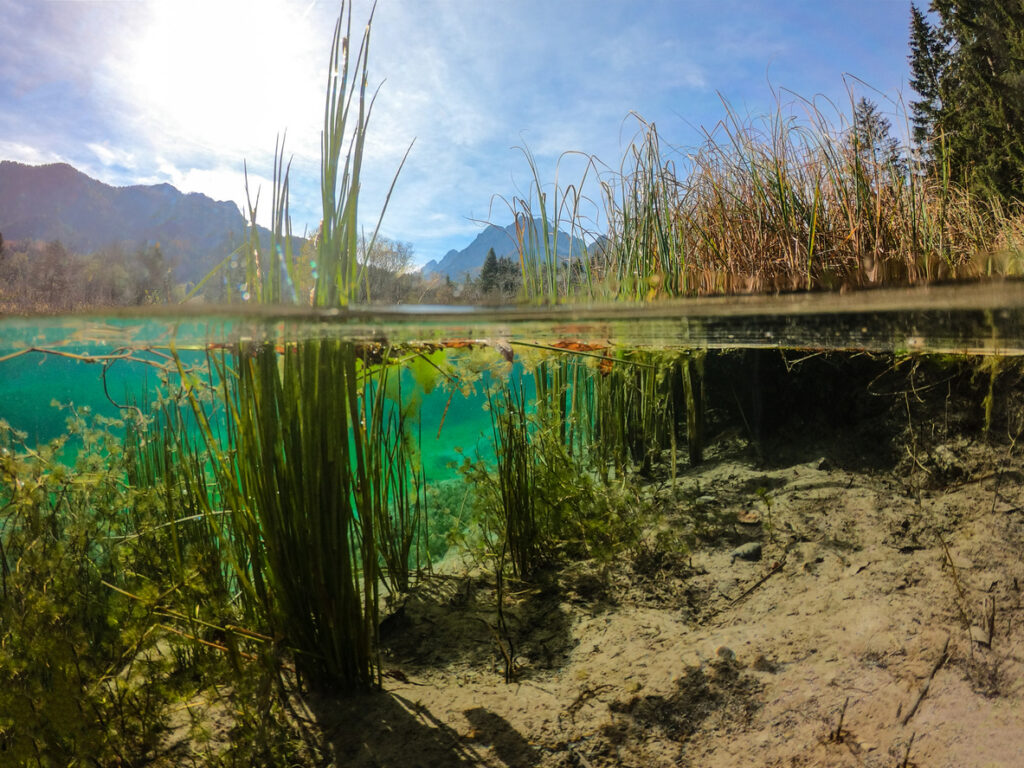
In environmental risk assessment, chemical residues in soils and sediments are considered insignificant if they are bound to the solid matrix and hence are not available to plants and soil organisms. Improved understanding of the mechanisms of binding which can contribute to the rationale for defining appropriate extraction methods is important as well as the threshold where extractive techniques start to destroy the sample matrix. The aim of this ECETOC Report was to develop a standard framework for extraction methods which associates the extractable fractions with both a level of bioavailability and appropriate test organisms for the environmental compartment. It was considered vital to identify and define appropriate key terms, such as the residue categories (dissolved, rapidly desorbed, slowly desorbed, irreversibly desorbed and assimilated) as well as the terms bioavailable and bioaccessible, which are aligned with the various residue types within the framework model.
The framework provides a logical and reasoned sequence of extractions to enable the quantitation of the dissolved and rapidly desorbed fraction (for the bioavailable residue) and, in addition, the slowly desorbed fraction (for the bioaccessible fraction). A selection of appropriate extraction solvents and parameters, which represent the best currently available approaches to determine each residue pool, is provided. Many of the extraction steps are conservative, providing enhanced extraction from the matrix than would be available to organisms in the environment.
The report is linked to ECETOC Technical Report no. 118 which provides expert guidance on how to incorporate non-extractible residues (NER) into environmental risk assessment schemes.
The ECETOC Technical Report no. 117: Understanding the relationship between extraction technique and bioavailability is freely available and can be downloaded via http://bit.ly/ecetoc-tr117