
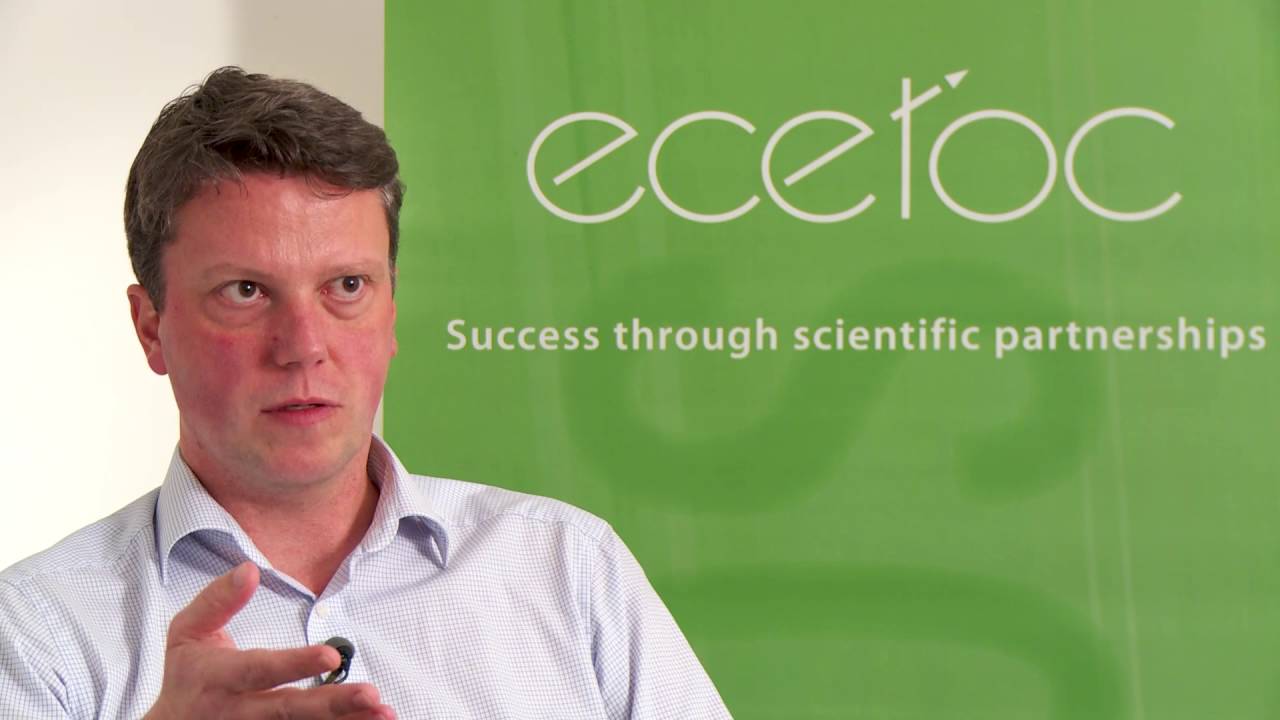





Welcome to Talia Neal-Walthall
390510

Welcome to Talia Neal-Walthall

We are pleased to welcome Talia Neal-Walthall to ECETOC as a secondee. Talia joins us to work on topics related to exposure, an area central to much of our current scientific programme. She will be wi...
September 2026 news from the Sec Gen
390509

September 2026 news from the Sec Gen

Dear members and colleagues,As we move through the year, there is a good deal to share. This has been a busy period for ECETOC, with changes to our team, our governance, and the work ahead. Let me...
HSSD Tool

HSSD Tool

This software was developed by a consortium of partners to facilitate the uptake of novel approaches to estimate aquatic threshold concentrations (e.g. the concentration at which 5% of the species are exposed above their EC50, HC5).
The Human Exposure Assessment Tools Database (heatDB)

The Human Exposure Assessment Tools Database (heatDB)

heatdb is a public directory of exposure data sources as well as available tools for exposure
NanoApp

NanoApp

ECETOC’s NanoApp is a tool designed to define the boundaries of sets of similar nanoforms and to generate a justification for the REACH registration.
Targeted Risk Assessment (TRA)

Targeted Risk Assessment (TRA)

The Targeted Risk Assessment (TRA) estimates exposures to workers, consumers and the environment that arise during a series of events.
TRA Task Force – Worker branch

TRA Task Force – Worker branch

Why? The Worker TRA Task Force has been active since 2019, delivering projects that advance the scientific basis of the Worker Targeted Risk Assessment (TRA) tool. Its overarching objective is to e...
Immunotoxicity assessment: Addressing Challenges and Advancing Methodologies [Workshop → Task Force]​

Immunotoxicity assessment: Addressing Challenges and Advancing Methodologies [Workshop → Task Force]​

Why?Regulatory assessment of immunotoxic properties of chemicals is a complex and challenging task​ Limited regulatory guidance exists​ Lack of industry and regulatory knowledge​...
Chronic fish case studies towards an IATA

Chronic fish case studies towards an IATA

Why?Hazard and safety assessments for the pelagic compartment often rely on in vivo studies using a single fish species, raising ethical concerns and uncertainty in terms of extrapolation....
Task Force
07.07.2025

Case Studies on Reliability and Relevance Considerations during Validation of NAMs

Why?

  • Validation of NAMs is often overlooked despite its importance for regulatory use.
  • Traditional validation methods are less suitable for NAMs, which focus on key events rather than apical endpoints.
  • New approaches are needed to assess reliability and relevance, with OECD Guidance Document No. 34 updates offering a potential path forward.

Objectives

  • Gather insights on experiences, concerns, and expectations, including which aspects should be addressed by validation and which by other processes.
  • Use case studies (e.g., DNT, fish bioaccumulation) to illustrate challenges and opportunities in developing smart, effective, and relevant validation strategies.

Timeline and Deliverables

  • Discussion paper on meaning of reliability and relevance for different parties (e.g. academic, regulators, industry) via two case studies covering more novel endpoints such as DNT, fish bioaccumulation test etc.

The Task Force kicked off in January 2025 and aims to publish their findings during 2026.