





![Immunotoxicity assessment: Addressing Challenges and Advancing Methodologies [Workshop → Task Force]](https://www.ecetoc.org/wp-content/uploads/2026/07/Picture2-1024x923.jpg)



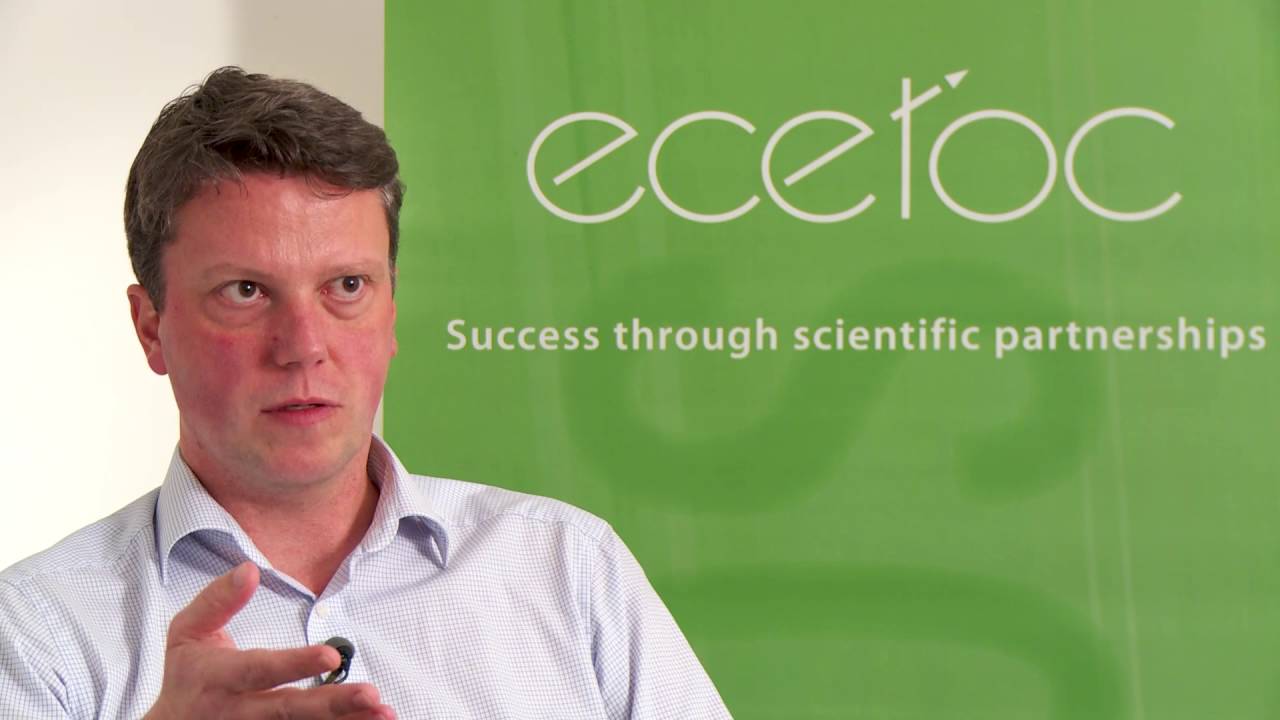
Dr Alan Poole, previously of Dow Europe to succeed Dr Neil Carmichael as Secretary General of ECETOC
On 1st October 2012, Dr Alan Poole, previously of Dow Europe will succeed Dr Neil Carmichael as Secretary General of ECETOC.
Neil Carmichael will retire from ECETOC at the end of September after 30 years in the chemical industry. In 1982 he joined Dow Chemical in the Netherlands as a toxicologist and moved with them, first to Switzerland and then to the UK. In 1989 he moved to France as Head of Toxicology for Rhone-Poulenc Agro and Director of the Research centre of Sophia-Antipolis, posts he held, successively, with Aventis CropScience and Bayer CropScience.
His association with ECETOC goes back to 1983 with Monograph 6 (published in 1985). He was a member of the Scientific Committee from 1990-2003 and has been Secretary General since November 2006. During this time, Neil brought ECETOC to a new level. With his experience and dedication, he has established ECETOC as a leading organisation in developing scientific answers and new approaches for important challenges in the areas of Toxicology and Ecotoxicology. This has increased the importance of ECETOC in supporting scientific and regulatory development in Europe and also its understanding within the industry. Neil has built a good foundation for ECETOC to even better serve its member companies and address future challenges. This will give the new Secretary General an excellent starting position to further develop the organisation.
Alan Poole earned his B.Sc. in Biochemistry from the University of Cardiff, and his PhD from the University of Surrey: he is also a Fellow of the Royal College of Pathologists. He worked for the UK Medical Research Council studying the modes of action of pulmonary lung carcinogenesis in particular mesothelioma before moving to Smith Kline and French to lead a scientific team involved in preclinical development of ethical pharmaceuticals.
He was later employed by Dow Chemical in Switzerland where he worked for over 20 years addressing safety of industrial chemicals, during which time he participated in many industry and governmental activities. He has published a book on toxicology as well contributing chapters to several others, and has published widely in the scientific literature. Alan is a familiar figure at ECETOC where he has been involved with many of its activities over the years.